Best Cars to Part Out: How to Choose a Profitable Donor by Real Part Demand
Ask ten people for the “best cars to part out” and you get ten lists, all different, all already out of date. The truth is there is no fixed list of the best cars to part out. The best donor is whichever model your local market and the used-parts buyers reward right now, and that changes by year, by region, and by what just got expensive to buy new. So instead of a list to memorize, here is the method experienced part-out sellers actually use to judge any donor by real part demand, before they spend a dollar buying it.
Why a static “best cars to part out” list goes stale fast
A ranked list of the best cars to part out feels useful, but it rots. Demand shifts as models age out of warranty, as new parts go discontinued, as an enthusiast scene grows or fades, and as your own market fills up with the same donor everyone else bought. Learn the signals that make a model profitable and you can size up a car that is not on anyone’s list, which is exactly where the margin is. The judgment travels; a list does not.
The six signals that make a model worth parting out
Every good donor scores well on some mix of these six. None of them is about the badge on the hood.
Used-market velocity (how fast the parts actually clear)
This is the single most important signal, and the one beginners skip. A part that sells fast is worth more to you than a part with a bigger sticker that sits. The working rule: a $100 part that sells in three days beats a $500 part that sits for three months, because your money and your shelf space keep turning. Judge a model by how quickly its parts clear, not by the top-line sticker price.
Interchange breadth (how many vehicles each part fits)
Automakers share platforms and components across model years and often across several models. One interchange number can fit a whole family of vehicles, which means one part you pull has a buyer pool many times larger than a single model would suggest. A donor on a widely shared platform is worth more part-for-part than a one-off chassis nobody else uses. Getting the interchange number right is how you size that pool before you buy.
Enthusiast base and community demand
Some models have owners who will pay a premium and hunt for months for the right part. Cheap, plentiful donor cars plus a rabid buyer community is the sweet spot: the classic example is a small enthusiast platform where parts cars are cheap but the forums and groups move used parts fast and at strong prices. A deep, active community is pricing power.
Part scarcity and NLA status
When a part is NLA (no longer available new), used becomes the only channel a buyer has, and the price climbs. Aging-but-loved models and older luxury cars are full of parts that are discontinued or absurdly expensive new, so a clean used one commands a premium. Scarcity on the supply side is demand you get to keep.
Expensive modules, body, and drivetrain
Value concentrates in a handful of big-ticket pieces: control modules and electronics, headlight and taillight assemblies, the engine and transmission, catalytic converters where your state permits resale and you meet its documentation and licensing rules, and the body panels that get wrecked most (doors, fenders, hoods). A donor that carries even one or two high-dollar assemblies in good condition changes the whole math, as long as those pieces are intact on the exact car in front of you.
Donor supply and acquisition cost
A model can score on every signal above and still be a bad business if you can only find one a year or if everyone bids the donors up. Repeatable margin comes from models where cheap donors show up steadily at a price your part totals clear. One lucky score is not a strategy; a model you can buy again and again is. This is also where sourcing matters as much as the model: where you buy cars to part out decides whether the same donor is a bargain or a break-even.
How to judge a specific model before you buy
Turn the six signals into a buy-or-pass decision with a simple procedure:
- Pull the demand data. Look up how fast the model’s top parts have been clearing at real used-market prices, not just the prices themselves. (The free part-out value tool surfaces this per model.)
- Rank by velocity, not sticker. Flag the parts that sell fastest. Those carry your cash flow.
- Check interchange breadth. Confirm how many years and models each key part fits, to size the buyer pool.
- Gauge the community. Find the model’s forums and groups and look for active buying, not just chatter.
- Find the scarce and NLA parts. Identify the pieces that are discontinued or hard to source new. Those command premiums.
- Map the high-dollar assemblies. Locate the expensive modules, panels, and drivetrain pieces, and how sensitive each is to condition.
- Price the donor supply. Confirm you can buy this model cheaply and repeatedly at a cost your part totals clear.
- Run the per-donor math before you commit. Total the realistic sold-through revenue, subtract acquisition, labor, fees, and storage, and buy only if it clears your margin bar.
Reading the numbers: a quick pre-buy scorecard
You do not weigh these one at a time, you weigh them together. Run a model through this scorecard before you buy:
| Signal | What to check | Green light | Red flag |
|---|---|---|---|
| Velocity | How fast the top parts clear at real used-market prices | Multiple key parts sell within days | Parts sit for months |
| Interchange | How many years/models each part fits | One part fits a whole platform family | One-off chassis, tiny fitment |
| Community | Active forums and buy/sell groups | Buyers hunting parts daily | Quiet or dying scene |
| Scarcity / NLA | Are key parts discontinued or pricey new | Several parts NLA or costly new | Cheap aftermarket everywhere |
| Big-ticket parts | Value in modules, panels, drivetrain | One or two high-dollar pieces intact | Value spread thin, nothing anchors it |
| Donor supply | Can you buy this model cheap and often | Steady cheap donors in your area | Rare or bid up past the math |
A model that lights up three or four of these is worth your time. One that only wins on a single expensive part is a gamble, because if that one part is damaged or slow, the whole donor underperforms.
One printable page to run before you bid or pay: title and VIN deal-breakers, reading the damage, the money parts, whether the parts will sell, and the money-math line that decides it. Enter your email and we’ll send it over.
Email me the checklist →You’ll also join the reParta list for occasional tips for used-parts sellers. Unsubscribe anytime.
The best cars to part out: model archetypes that score well
Think in categories, not a frozen list. These archetypes are where the most profitable cars to part out usually come from, and they keep scoring well even as the specific models change. The example models below are illustrations of each pattern, not a ranking, so always verify demand in your own market.
| Archetype | Example models (illustrative) | Why demand holds | Watch-out |
|---|---|---|---|
| The enthusiast platform | Mazda MX-5 Miata, older BMW 3-series | Deep community, fast used-part sales, pricing power | Some parts are slow niche items |
| The high-volume commuter | Honda Civic, Toyota Camry | Huge fitment pool, constant everyday-repair demand | Low per-part prices, competition is heavy |
| The “best version” of a chassis | The top trim or engine of a common platform | Owners of lesser trims buy the good parts to upgrade | Fewer donors, they get bid up |
| The aging luxury / NLA-heavy model | Older Mercedes-Benz, Land Rover, Audi | Expensive-new parts, thin used supply, module value | Slow sellers and storage-hungry big parts |
| The truck or SUV workhorse | Ford F-150, Chevrolet Silverado | Body panels, beds, and drivetrain in constant demand | Shipping-heavy, needs space |
The point is not to chase one of these blindly. It is to recognize which one a car in front of you fits, and whether it also clears the scorecard.
Red flags: models that look good but bleed margin
Some donors look tempting and quietly lose money. Watch for the low-velocity orphan whose parts nobody searches for, the model with cheap aftermarket parts everywhere (so used has no pricing power), the storage hog whose value is all in slow drivetrain pieces, and the car whose whole-running-and-driving resale actually beats what you would net parting it. If the body is straight and it runs, selling it whole is sometimes the better call.
Turning a model judgment into a per-donor profit decision
Picking from the best cars to part out narrows the field. The money is made or lost on the specific donor: this car, at this price, in your market. That is the math reParta runs. Point it at a donor from any source, whether an auction lot, a trade-in, or a car already sitting in your yard, and it estimates the pre-bid part-out ROI from real used-market prices, lists the pulled parts across multiple channels, and auto-delists a part everywhere as soon as it sells so you avoid double-selling it.
reParta does not tell you which auction to bid in and it does not buy the car for you. Picking the model is your judgment, using the method above. reParta enters downstream, at the per-donor decision, so you commit with numbers instead of a gut feel. If you want the per-model revenue picture first, the part-out value tool shows what specific models tend to yield.
Run the pre-bid part-out math on your next donor and see the per-donor profit before you buy. It is the difference between buying a model that “looks like a good parts car” and buying one you have already run the numbers on.
Per-model part-out breakdowns
Want the numbers for a specific donor? Each guide below breaks down the top parts, real per-part values, and the take-home for one model, so you can check the exact car before you bid.
Toyota
- Toyota Camry (2011-2017)
- Toyota Corolla (2018-2026)
- Toyota Highlander (2020-2026)
- Toyota Prius (2009-2015)
- Toyota RAV4 (2013-2018)
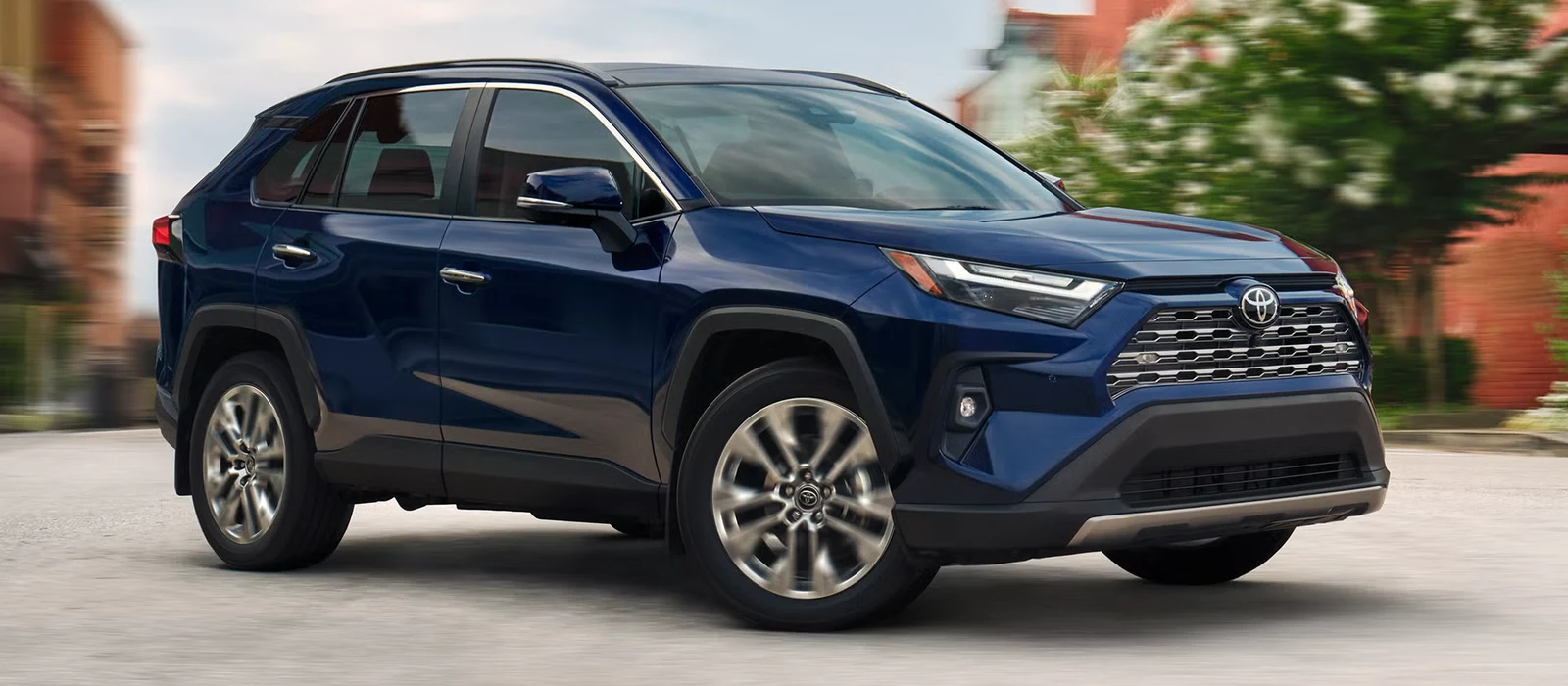
- Toyota RAV4 (2018-2025)
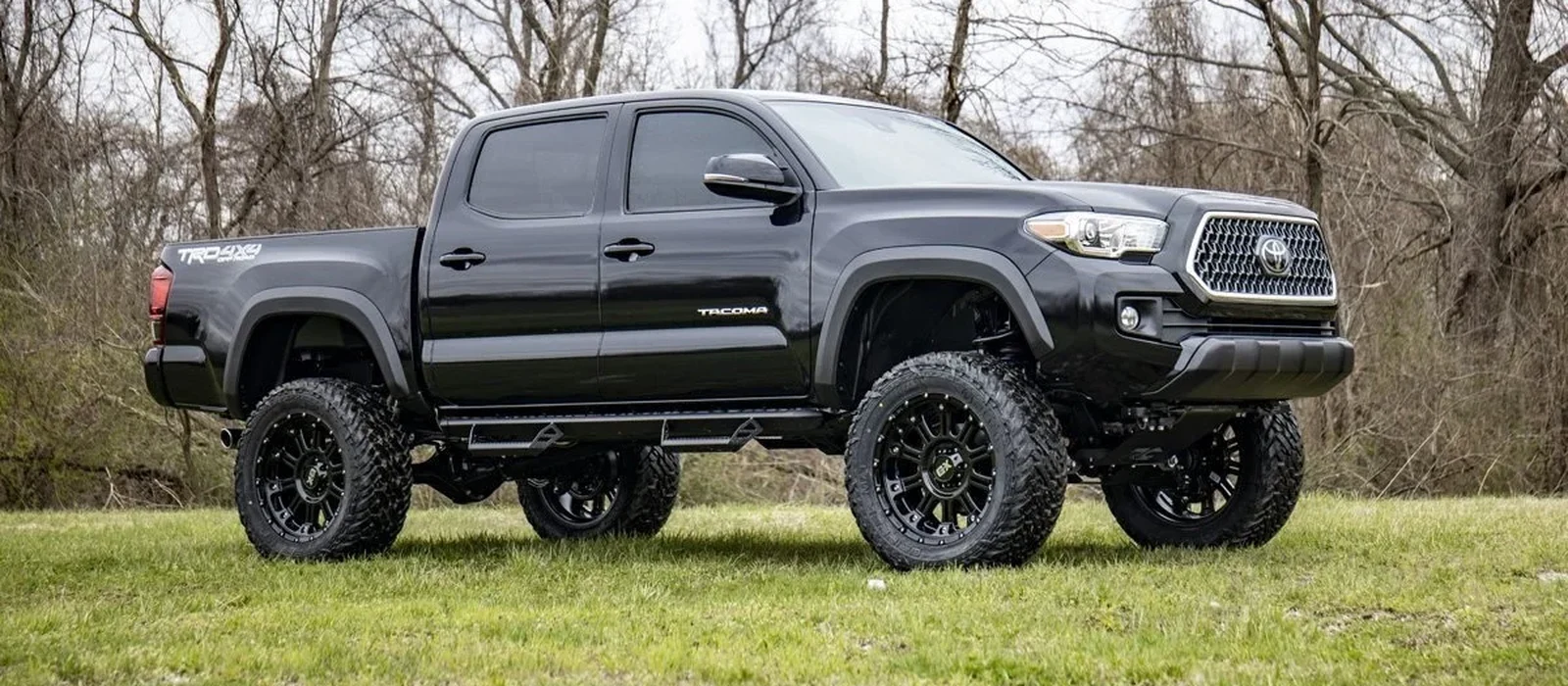
- Toyota Tacoma (2016-2023)
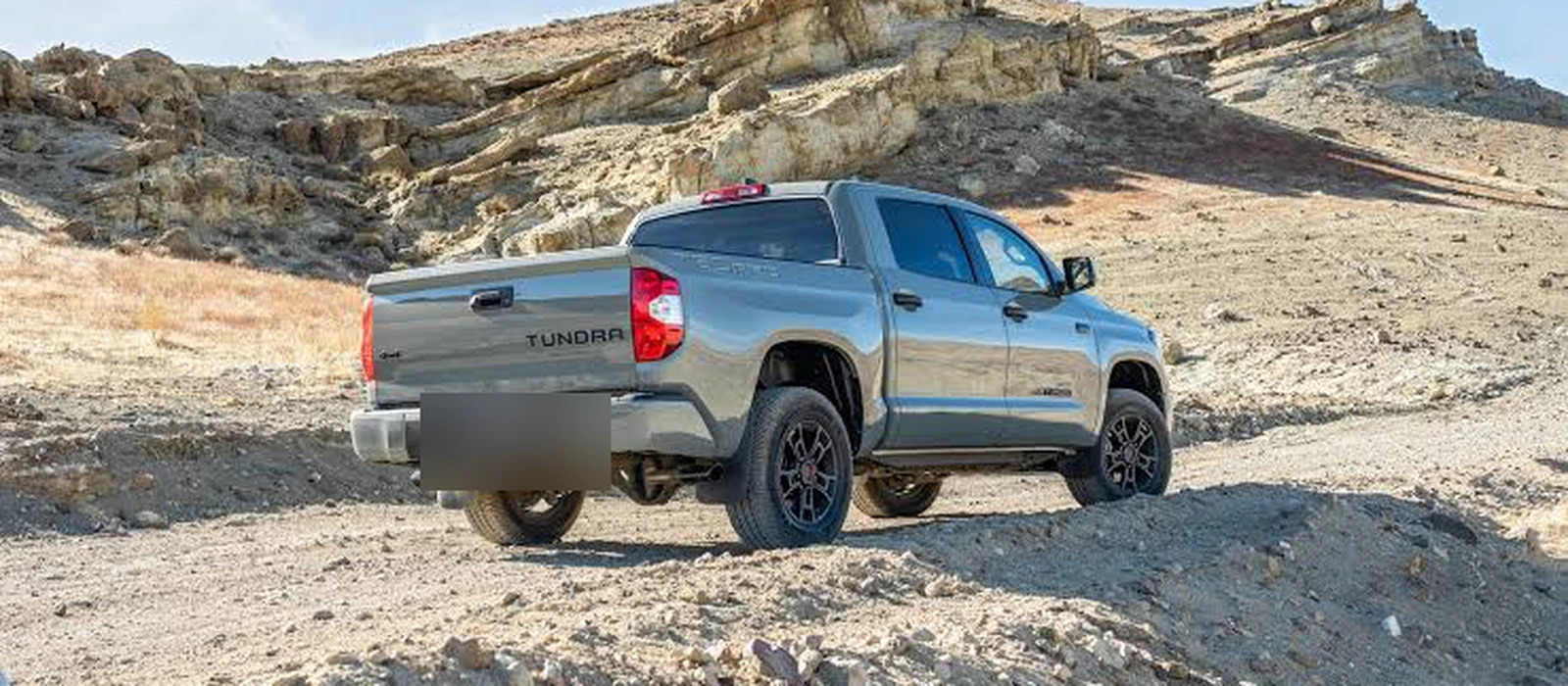
- Toyota Tundra (2007-2021)
Honda
- Honda Accord (2018-2022)
- Honda Civic (2016-2021)
- Honda CR-V (2017-2022)
- Honda Odyssey (2011-2017)
- Honda Pilot (2016-2022)
Ford
Jeep
Chevrolet and GMC
Dodge
Nissan
Subaru
More models
Related reading
- Where to buy cars to part out beyond Copart and IAA - the cheaper, mostly no-license sourcing channels for donor cars.
- The most profitable car parts to sell - which individual parts carry the money, once you have the right donor.
- How to value a salvage car for parts - putting real numbers on a specific car.
- Is a salvage car worth parting out before you bid - the pre-bid decision, with a worked example.
- How to start a used auto parts business - the licensing, compliance, and system for turning this into a business.
Frequently asked questions
What makes a car good to part out?
A good part-out donor has four things: parts that sell fast (high used-market velocity), a body style shared across many model years (wide interchange), buyers who cannot get the part new (scarcity or NLA), and at least one expensive module, panel, or drivetrain component. You judge a model by demand and supply, not by badge.
What is the single best car to part out right now?
There is no fixed answer, and any list that gives you one goes stale fast. The best donor is whichever model has fast-moving parts, a wide fitment pool, and thin used supply in your market. This guide is the method to find it, not a list to memorize.
Are engines and transmissions the most profitable parts?
Not always. Drivetrain pieces are high-dollar but slow to sell and expensive to ship. Small fast-movers like headlights, mirrors, modules, and alternators often beat them on cash per week, which is why velocity matters more than sticker price.
How do I check part demand before buying a donor?
Look up how fast the model's top parts have been clearing at real used-market prices, not just the prices themselves. Fast, repeated sales are the signal. Then confirm how many vehicles each part fits and whether the part is still available new.
Is parting out a car worth it versus selling it whole?
Part it out when the body is straight but the car has a mechanical or title problem that kills whole-car value, and when you have the space and time. Sell it whole when it runs and drives and the top parts do not clear well above the whole-car offer.
How much can you make parting out a car?
It depends entirely on the donor and your market, so the honest answer is to run the numbers before you buy: total the realistic used-market value of the parts you can actually pull and sell, then subtract the car's cost, labor, fees, and storage. A clean donor with fast-moving, widely-fitting parts can clear well past a whole-car sale, while a slow one can lose money. Run the per-donor math rather than guessing.