How much can you make parting out a Honda Pilot 2016-2022?
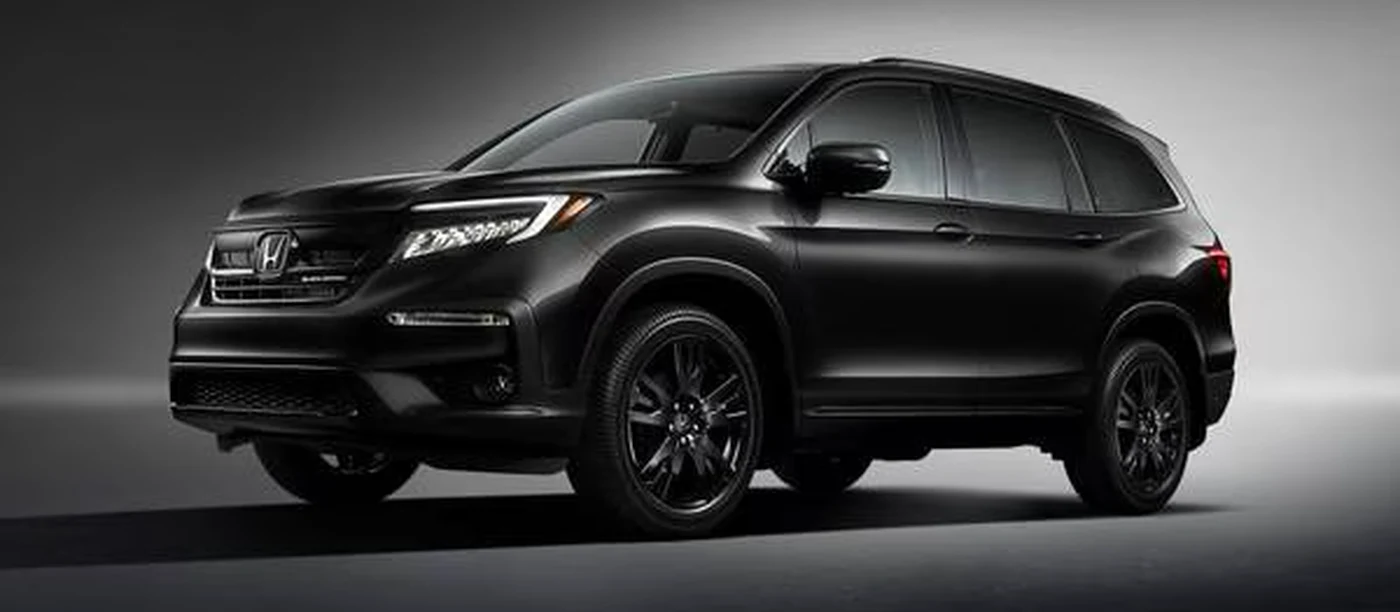
Parting out a Honda Pilot (2016-2022) is a strong, steady play with a twist: a third-generation Pilot takes home roughly $6,789 in the parts worth pulling, after marketplace fees, before your own labor and freight - and the transmission leads, not the engine. The Pilot is one of the most common three-row family SUVs on the road, so the donors are everywhere and the buyers - families keeping a high-mileage hauler alive - are everywhere too. This is the third-generation Pilot (2016-2022), not the 2023-up fourth generation, so the body parts do not interchange with the newer SUV. The nice part: every Pilot here used the same 3.5L V6, so there is no engine lottery - the one thing to nail down is the transmission. This is the full Honda Pilot part-out value breakdown: what each major part sells for, why the transmission tops the engine, and how the AWD parts add up.
Parting out a Honda Pilot 2016-2022: the top parts
A few majors carry most of the part-out value. These are real used-market prices for the third-generation Pilot, ranked by take-home - your own labor, packing, and freight come off on top:
At a glance: estimated parts take-home $6,789+ · top part transmission at $2,163 · 17+ parts priced · prices updated Aug 2026 · years 2016 - 2022 · third generation · body SUV, AWD available, one 3.5L V6. The “$6,789+” is the take-home across every part worth pulling, not just the five above - the top 5 are shown here, and 12 more sit behind them.
What each part is worth when parting out a Honda Pilot
The table is the summary. The money is in reading it correctly, part by part.
Transmission - the surprise leader. On most vehicles the engine is the headline; on the Pilot the transmission is, keeping about $1,876 on a 148-listing sample - more than the engine. Because every Pilot shares one V6, used engines are plentiful and priced accordingly, while the automatic is a more common replacement item and clean used units command more. The 2016 - 2018 lower trims ran a 6-speed and the Touring and Elite ran a 9-speed; 2019-up went to the 9-speed across the line. Confirm which the car has before you quote it - they are not the same part.
Engine - the steady, simple second. The engine takes home about $1,181 on a deep 200-listing sample - one of the easiest numbers to price in the class, because there is only one: the 3.5L V6 (J35). The range ($975 to $1,910) tracks mileage and condition, not engine choice, so read the odometer and quote accordingly. No turbo-versus-base guesswork here.
Front door, hood, and fender - the body tier. The front door is a strong performer, keeping about $963 on 55 listings - a big three-row SUV sees plenty of side damage. The hood keeps about $433 (it varies by trim and grade, so confirm before you quote) and the fender about $341 on 69 listings. Doors and hoods are bulky, so freight decides the real net on those.
One engine, AWD parts, one transmission to check
Most vehicles in this series make you identify the engine first. The Pilot does not: every 2016 - 2022 Pilot used the 3.5L V6, so the engine is a known quantity. Two things do change the parts list. First, most Pilots are all-wheel drive, which adds a transfer case and rear differential to what you can pull - genuine value that a front-wheel-drive donor does not have. Second, the transmission splits between the 6-speed and 9-speed as noted above. Decode the VIN, confirm AWD versus FWD and the transmission, and read the miles before you quote.
The full picture: 17+ parts, not 5
The five above are the headline, but they are not the whole SUV. 17-plus parts are worth pulling on a 2016 - 2022 Pilot - the top 5 by take-home, plus 12 more that fill in the margin: the AWD transfer case and rear differential, the third-row and second-row seats that families buy to restore interiors, the liftgate, then the usual headlights and tail lights, the infotainment and rear entertainment, wheels, mirrors, bumpers, and the small mechanical parts. On an SUV this common the long tail moves fast, because there are so many donors and so many buyers for the common parts.
Only the top 5 are shown publicly. The full ranked list - all 17+ parts with live prices, plus side-by-side vehicle comparison - is inside reParta. Start a free trial to see the other 12 parts and price your exact VIN.
Trims change which parts an SUV has - and what they sell for
Trim decides the hardware: lighting, wheels, seats, and audio all differ by trim, and so do their prices. This generation ran LX, EX, EX-L, Sport, Special Edition, Touring, Elite, and the top Black Edition - and they are not the same donor. An Elite or Black Edition carries premium LED lighting, a panoramic roof, heated-and-cooled leather, a rear entertainment screen, and larger wheels that an LX does not; its parts sell for more. Read the trim off the VIN before you price the trim-specific parts, because an LX headlight and an Elite headlight are different money.
The small parts only pay in volume
The alternator, starter, and A/C compressor all list under about $135 apiece. They are worth pulling only if you move them in volume - one or two at a time, the labor to pull, test, photograph, and ship eats the margin. On an SUV this common the upside is that buyers are always searching, so the small parts move fast if you list them well; the downside is that everyone else has them too, so price to the market. This is where a small operation quietly loses hours: the parts feel like money on the shelf, but they only pay if your listing and fulfillment are fast enough to move them at scale.
Get the exact number for your VIN before you buy
Everything above is the generation average. The SUV in front of you is a specific trim, drivetrain, and mileage, with specific damage - so the real part-out value is specific too. That is what Pre-bid ROI gives you: paste the VIN and your max bid, edit the projected parts list to match what is intact on the lot, and it returns resale revenue from real used-market prices, minus marketplace fees, transport, and your bid - the net profit, a days-to-sell read per part, and a risk score. It works the same for Copart, IAA, and private buys, and it does not scrape the auction - you enter the price. Decoding the SUV is free: start with the free VIN decoder, then run the full profit number in reParta.
Parting out a different car?
The Pilot is one of many. See the part-out value for other cars - ranked parts and real prices for the most profitable vehicles to part out, or go straight to the full 2016 - 2022 Honda Pilot part-out value - so you know the number before you bid on any lot.
Comparing donors? Run the part-out math on other three-row family haulers - the Toyota Highlander, the Ford Explorer, and the Honda Odyssey.
Know your profit before you buy - try reParta free
reParta is the pre-bid, list-everywhere, know-your-profit operating system for used-auto-parts sellers. See all 17+ Pilot parts with live prices, compare vehicles side by side, and price your exact VIN before you bid - so you buy on a number, not a hunch.
Start your 14-day free trial - no card required
Takeaways
- A 2016 - 2022 Honda Pilot takes home roughly $6,789 in the parts worth pulling, after marketplace fees - and unusually, the transmission is the top part, not the engine.
- The transmission keeps about $1,876 (confirm 6-speed vs 9-speed); the engine is a steady second at about $1,181 on one shared 3.5L V6, so there is no engine to guess at.
- Most Pilots are AWD, which adds a transfer case and rear differential to the parts you can pull; the third-row seats and liftgate are where the long tail adds up - verify drivetrain, transmission, and trim off the VIN.
- Only the top 5 parts are public; the full 17+ list and your exact VIN are in reParta - start free or see the full Pilot part-out value.
Frequently asked questions
How much can you make parting out a Honda Pilot 2016-2022?
The parts worth pulling off a 2016 - 2022 Honda Pilot take home roughly $6,789 combined, after marketplace fees, before your own labor and freight. Unusually for this class, the transmission leads - not the engine - because the Pilot's automatic is in constant demand. Every Pilot here used the same 3.5L V6, so the engine is simple to price; the trick is confirming which transmission the car has.
What is the most valuable part on a 2016 - 2022 Pilot?
The transmission, at about $2,163 market and roughly $1,876 take-home across 148 listings - it outsells the engine here. The engine is second at about $1,181 take-home on a deep 200-listing sample, and the front door is a strong third at about $963. The early cars used a 6-speed automatic and the later ones a 9-speed, so identify the transmission before you quote it.
Why is the Honda Pilot transmission worth more than the engine?
Because demand and replacement rate favor it. Every 2016 - 2022 Pilot shares one 3.5L V6, so used engines are plentiful and priced accordingly, while the automatic - especially the 9-speed on the later and higher trims - is a more common failure-and-replacement item, so clean used units command more. The result is a transmission that takes home about $1,876 versus about $1,181 for the engine.
Which Honda Pilot engine and transmission should I check for?
The engine is easy - every 2016 - 2022 Pilot used the 3.5L V6 (J35), so there is nothing to guess. The transmission is the one to confirm: 2016 - 2018 lower trims ran a 6-speed automatic while Touring and Elite ran a 9-speed, and 2019-up moved to the 9-speed across the line. Decode the VIN and confirm the transmission and trim before you price.
How many parts are worth pulling from a Pilot, and where do I see them all?
17-plus parts are worth pulling on a 2016 - 2022 Honda Pilot. The top 5 by take-home are the transmission, engine, front door, hood, and fender; the other 12 - including the AWD transfer case and rear differential, the third-row seats, and the liftgate - plus live prices and side-by-side vehicle comparison are inside reParta. Start a free trial to see the full ranked list and price your exact VIN.