Copart flipping: how to calculate profit before you bid
Copart flipping only pays when the numbers clear before you bid. To calculate profit on a Copart lot, add up the resale value of the parts that are actually intact on that lot, then subtract auction fees, transport, and your bid. If a healthy margin is left, bid up to your stop number; if not, pass. The trick is doing it in seconds, on the VIN, before the lot closes. Here is the framework, then the fast way.
The framework
1. Start from the parts that are really there. Look at the photos. The lot’s value is the sum of parts you can pull and sell, minus the ones that are missing or wrecked on this car. Do not value a “Civic” - value this Civic.
2. Price the majors first. Engine, transmission, clean panels, infotainment and cluster, lights, wheels. These carry most of the money. Use recent sold prices, not asking prices.
3. Subtract every cost. Not just the bid:
- Buyer and gate fees
- Membership or broker costs
- Transport to your yard
4. Read the leftover. Revenue minus all costs is your projected net profit. If it is thin, your bid is too high.
A quick example
A lot with about $2,500 of intact parts, a $300 fee load, and $150 transport needs your bid to land under roughly $2,050 just to break even, and lower than that to actually make money. If you were about to bid $2,300, the math says stop - or walk.
Illustrative. The discipline is what matters: every cost in, before the bid.
Part out vs rebuild: which pays more on a donor truck
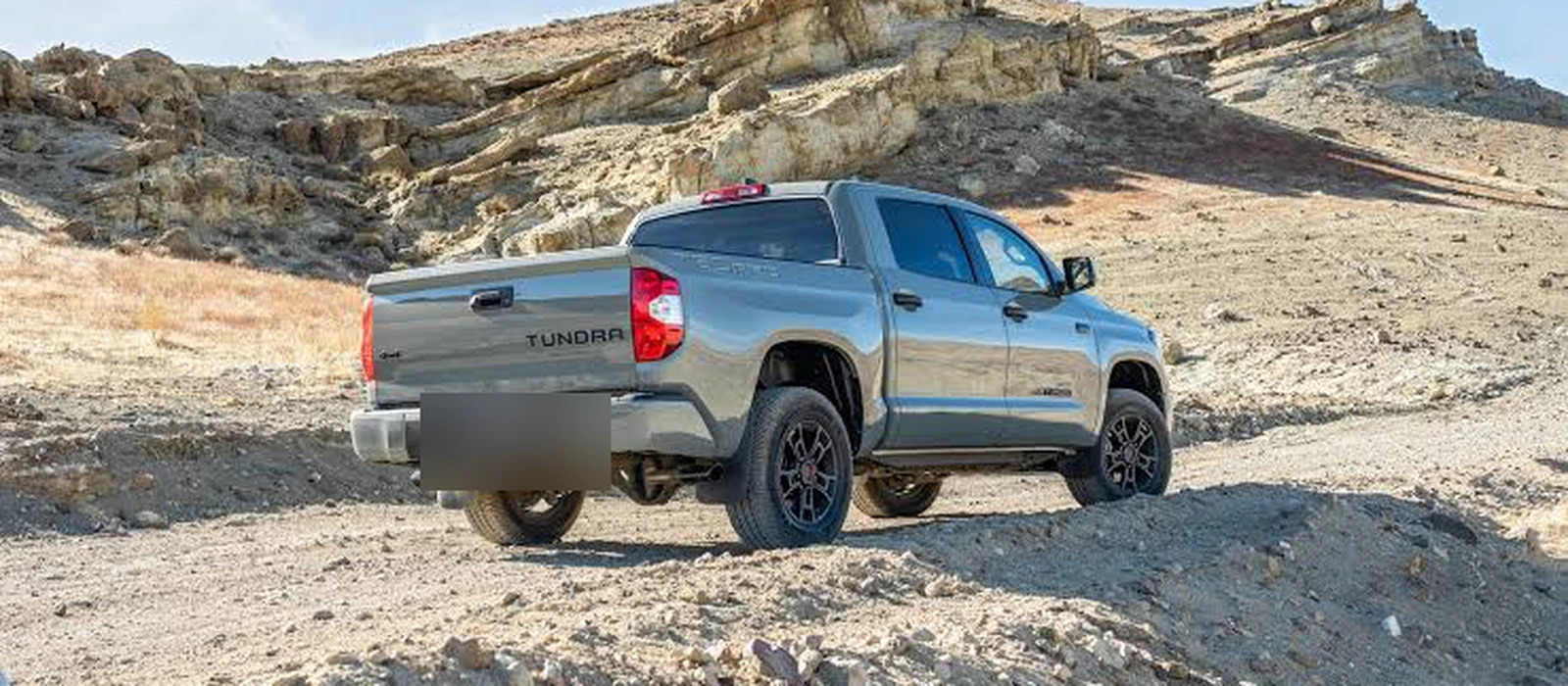
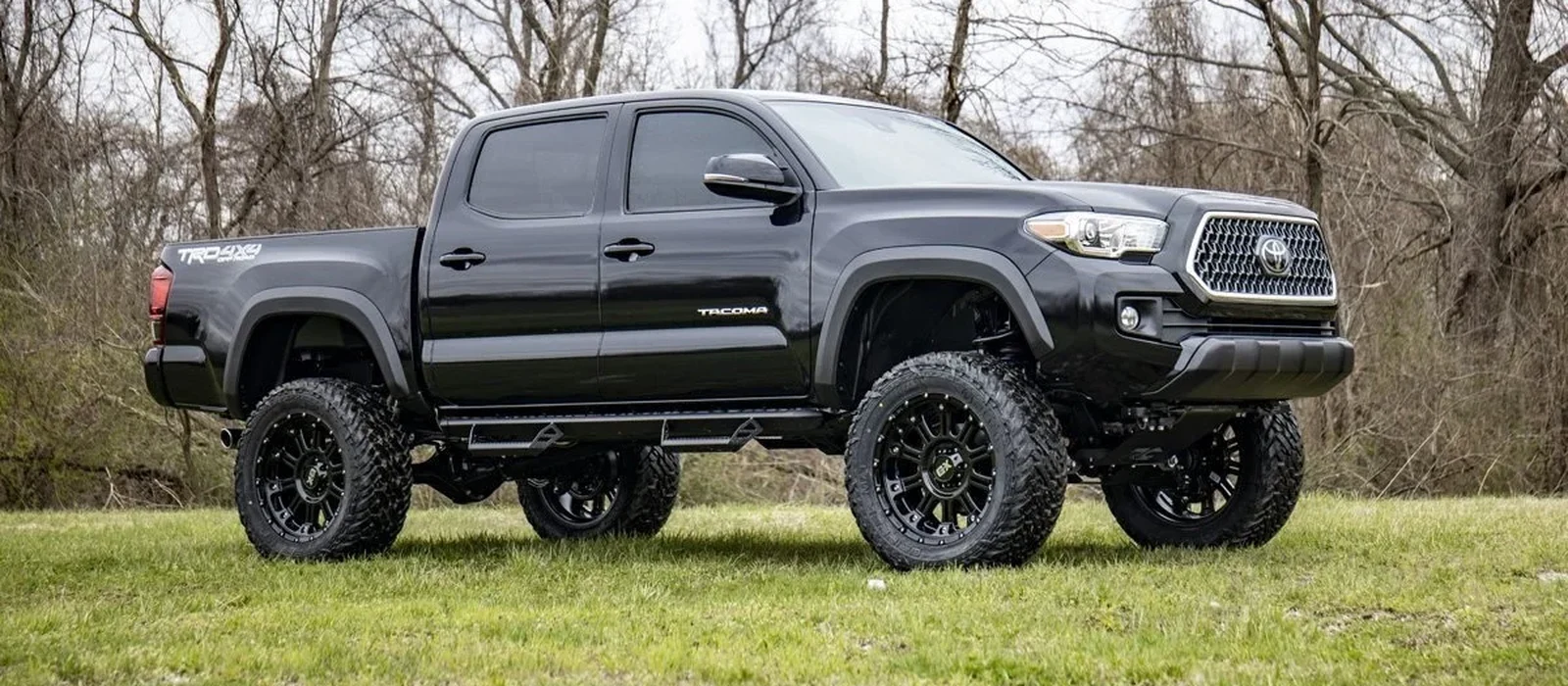
On a wrecked truck the pre-bid question is often not just “what are the parts worth” but part out vs rebuild. Rebuilding means repairing the truck to roadworthy and reselling it whole on a rebuilt (branded) title; parting out means selling the components. On a donor truck the answer swings more than on a car, because truck body panels, beds, and drivetrains are both expensive new and in strong used demand - so run both numbers before you bid:
- Rebuild path: repaired-whole resale value (at a rebuilt-title discount) minus repair parts and labor, minus your bid, fees, and transport.
- Part-out path: the sum of the parts you can realistically pull and sell (engine, transmission, transfer case, doors, bed, tailgate, lights, wheels, interior) minus the same bid, fees, and transport, minus your labor and the parts that never sell.
Illustrative on a $6,000 donor-truck bid: if the parts realistically sell for about $11,000, and the same truck rebuilt would resell for roughly $14,000 but needs $6,500 in parts and labor, part-out nets about $4,000 after $1,000 of fees and transport while rebuild nets about $500 after the branded-title discount - part out wins. Flip the damage to cosmetic-only and the rebuild math can win instead.
The rule: rebuild wins when the damage is cosmetic and repaired-whole value clearly beats the parts sum after the branded-title discount; part out wins when the frame or safety systems are hit, or the parts are simply worth more in pieces. Pre-bid ROI projects the part-out side from real used-market prices; you estimate the rebuild side from repair cost plus rebuilt resale. Numbers here are illustrative - run your own lot.
The fast way: run the VIN
Copart flipping by hand on every lot is slow, which is why most buyers skip it and bid on feel. Pre-bid ROI does it from the VIN: enter the VIN and your max bid, trim the projected parts list to the lot, and it returns resale revenue from real used-market prices, minus fees, transport, and bid - the net profit and a risk score. No Copart account, no scraping; you enter the price.
Decode the lot first with the free VIN decoder, then run the profit number.
The full method, with a worked parts-and-fees example, is in the pillar guide: Is a salvage car worth parting out? How to know before you bid.
Takeaways
- Profit before bidding = intact-parts resale minus fees, transport, and bid.
- Include every fee; that is where “profitable” lots turn into losses.
- Pre-bid ROI runs the whole calculation from the VIN in seconds, with a risk score.
- Profitable Copart flipping is a number you set before the lot closes, not a feeling.
Frequently asked questions
How do you calculate profit on a Copart lot before bidding?
Add up the resale value of the parts that are actually intact on the lot, then subtract auction and gate fees, transport, and the price you plan to bid. What is left is your projected net profit. A pre-bid tool does this from the VIN in seconds.
What fees should I include?
Buyer fees, gate fees, any membership or broker costs, and transport to your yard. Leaving fees out is the most common reason a lot that looked profitable loses money.
Does Pre-bid ROI connect to my Copart account?
No. It works from the VIN and the max bid you enter. There is no auction-site scraping or account connection, so you control the numbers.
Should I part out or rebuild a salvage truck?
Run both numbers before you bid. Rebuild wins when the damage is cosmetic and the repaired-whole resale value (at a rebuilt-title discount) clearly beats the sum of the parts after repair cost and labor. Part out wins when the frame or safety systems are hit, or when the parts are worth more in pieces than the truck is whole - which is common on donor trucks, where beds, panels, and drivetrains sell strongly. Estimate the rebuild side from repair cost plus rebuilt resale, and project the part-out side from real used-market prices before you set your max bid.